Tips for Creating a Cozy and Productive Home Office Space
Creating a home office that feels cozy and boosts your productivity can make a big difference in how you approach your workday. Whether you work from home full-time, part-time, or simply need a dedicated space for personal projects, designing an environment that supports both comfort and efficiency is key. Here are practical tips to help you set up your perfect home office.
Choose the Right Location
Picking the right spot in your home is the first step in creating a home office that works for you.
– Natural Light: Aim for a space that gets plenty of natural light. Sitting near a window can improve your mood and reduce eye strain.
– Quiet Area: Choose a quiet corner or room where you can focus without distractions from household noise.
– Space Consideration: Make sure the area has enough room for your desk, chair, and any equipment or storage you need.
Invest in Comfortable and Functional Furniture
Your furniture directly affects your comfort and productivity during long work hours.
Select an Ergonomic Chair
– Opt for an adjustable chair with proper lumbar support to reduce back strain.
– Look for breathable materials that keep you cool and comfortable.
Choose the Right Desk
– Consider a desk with enough surface area for your computer, notebooks, and other essentials.
– If possible, look into sit-stand desks to alternate your posture throughout the day.
Organize Your Workspace Efficiently
Keeping your office organized helps your mind stay clear and your workflow smooth.
– Declutter Regularly: Remove unnecessary items and only keep what you need on your desk.
– Storage Solutions: Use shelves, drawers, or filing cabinets to store documents and supplies.
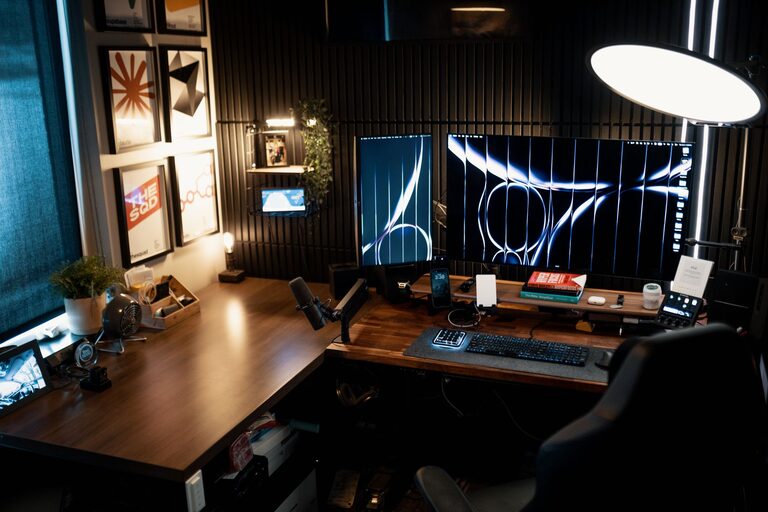
– Cable Management: Use clips or cable sleeves to keep wires neat and avoid tangles.
Incorporate Soothing Colors and Personal Touches
The colors and décor of your workspace influence your mood and creativity.
– Choose Calming Colors: Soft blues, greens, or neutrals can create a relaxing atmosphere.
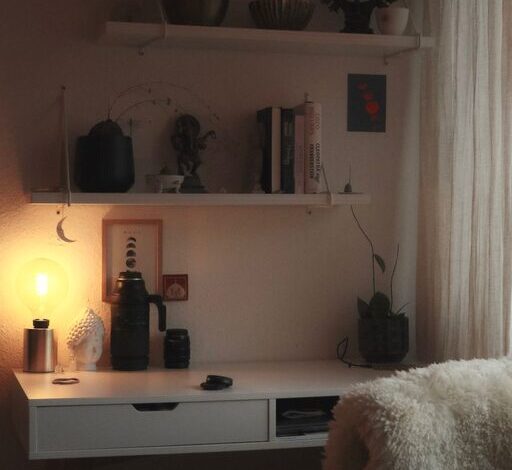
– Add Plants: Indoor plants not only brighten the space but may also improve air quality and reduce stress.
– Personal Items: Include photos, artwork, or meaningful objects to make the space feel inviting.
Optimize Lighting for Focus and Comfort
Proper lighting is crucial to reduce eye fatigue and set the right tone.
– Layer Your Lighting: Use a mix of ambient, task, and accent lighting. A desk lamp with adjustable brightness is a smart addition.
– Avoid Glare: Position your screen and light sources to minimize glare on your monitor.
Set Up Technology and Tools for Efficiency
Your devices and tools should support your work without causing frustration.
– Reliable Internet: Make sure your Wi-Fi is fast and stable to avoid interruptions.
– Essential Tech: Have a good-quality headset, keyboard, and mouse to improve comfort and productivity.
– Apps and Software: Use productivity tools like calendars, task managers, and note-taking apps to keep you organized.
Create a Routine and Boundaries
Your physical space is important, but so is how you use it.
– Designate Work Hours: Set clear work times to separate your professional and personal life.
– Take Breaks: Schedule regular breaks to stretch, move, and rest your eyes.
– Stay Connected: Even when working alone, keep in touch with colleagues or friends to maintain motivation.
Maintain Air Quality and Temperature
Comfort goes beyond furniture—it includes how fresh and pleasant the environment feels.
– Ventilation: Open windows when possible or use an air purifier to keep air fresh.
– Temperature Control: Ensure the room temperature is comfortable, using fans or heaters as needed.
—
By combining thoughtful design, organization, and personal comfort, your home office can become a space where work feels both productive and enjoyable. Remember, the best setup reflects your needs and preferences, so feel free to experiment until you find what works best for you. Happy decorating!