
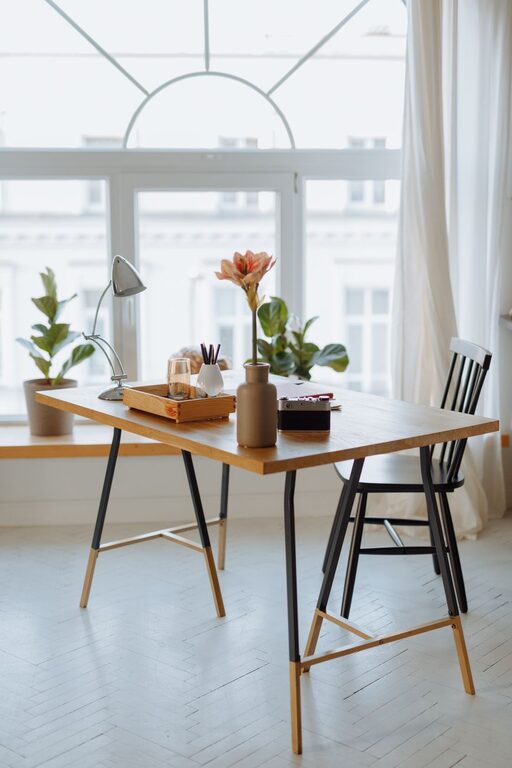
Tips for Creating a Cozy and Inviting Home Workspace
Creating a cozy and inviting home workspace is essential for anyone who spends significant time working remotely or pursuing personal projects at home. A well-designed workspace not only enhances productivity but also promotes comfort and reduces stress. Whether you have a dedicated room or just a small corner, this guide will help you transform your area into a pleasant, functional place to work.
1. Choose the Right Location
Finding the ideal spot for your workspace is the first step toward creating an inviting home office.
– Natural light: If possible, position your desk near a window. Natural light boosts mood and focus.
– Quiet area: Select a space with minimal distractions and noise to maintain concentration.
– Comfortable temperature: Ensure the area is well-ventilated and at a comfortable temperature throughout the day.
– Separate space: Even if it’s a small nook, try to separate your work zone from relaxation or sleeping areas to create mental boundaries.
2. Invest in Comfortable Furniture
Comfortable furniture is key to staying productive without strain or discomfort.
– Ergonomic chair: A chair with good lumbar support prevents back pain and encourages good posture.
– Adjustable desk: If possible, use a desk that can be adjusted for sitting or standing to add variety.
– Proper desk height: Your desk should allow your elbows to be at a 90-degree angle when typing.
3. Personalize Your Space with Warm Accents
Adding personal touches can make your workspace feel especially cozy and inviting.
– Soft textiles: Use rugs, cushions, or a cozy throw blanket to add warmth and texture.
– Plants: Incorporate a few easy-care plants to bring natural elements into your workspace, purify air, and reduce stress.
– Artwork and photos: Hang pictures that inspire or bring you joy to create a positive atmosphere.
– Warm lighting: Avoid harsh overhead lights; instead, use desk lamps, floor lamps, or fairy lights to create a soft glow.
4. Organize for Efficiency and Clarity
A tidy workspace promotes a clearer mind and allows you to find what you need quickly.
– Declutter regularly: Keep only essentials on your desk and store other items away to maintain a clean surface.
– Storage solutions: Use shelves, baskets, or drawer organizers to keep documents and supplies orderly.
– Cable management: Use clips, sleeves, or ties to reduce tangled cords and prevent distractions.
– Bulletin or whiteboard: Keep track of tasks, reminders, or ideas in a visible area.
5. Pay Attention to Color and Decor
The colors and decor style you choose influence your mood and motivation.
– Soothing colors: Soft blues, greens, and neutrals can foster calmness and focus.
– Accent colors: Add pops of your favorite colors through accessories like pens, mugs, or artwork to personalize the space.
– Minimal décor: Avoid too many decorative items to reduce visual clutter and distractions.
6. Maintain Good Air Quality
Good air quality helps you feel alert and comfortable during work hours.
– Ventilation: Open a window occasionally or use a fan to circulate fresh air.
– Air purifier: Consider an air purifier if your indoor air tends to be stuffy.
– Avoid strong scents: Use mild scents or unscented products to prevent headaches or allergies.
7. Incorporate Practical Technology
Technology should support your work without adding unnecessary complications.
– Reliable internet: Ensure your workspace has a strong and steady internet connection.
– Quality peripherals: Use an ergonomic keyboard, a comfortable mouse, and a good monitor to reduce eye strain.
– Headphones: Noise-cancelling headphones can help block distractions in noisy environments.
– Charging station: Keep your devices charged and organized with a designated charging area.
8. Create Boundaries for Work and Rest
Establishing clear boundaries between work time and personal time helps maintain a healthy work-life balance.
– Defined work hours: Stick to scheduled work times to avoid burnout.
– Physical cues: When you finish work, try to leave your workspace or clear your desk to signal the end of the day.
– Break area: If possible, set up a separate spot to take breaks, stretch, or relax away from your desk.
Final Thoughts
Designing a cozy and inviting home workspace requires a thoughtful balance of comfort, organization, and personal touches. By focusing on quality furniture, proper lighting, and a clutter-free environment, you can create a space where you look forward to working every day. Remember, your workspace should not only support productivity but also contribute to your overall well-being. Take time to adjust and personalize your environment until it feels just right. Happy working!
