Tips for Creating a Cozy and Productive Home Office Space
Creating a cozy and productive home office is essential for anyone working remotely or managing tasks from home. A well-designed workspace enhances focus, reduces stress, and boosts productivity. Whether you have a dedicated room or just a small corner, with some thoughtful planning, you can craft an office space that feels inviting and supports your work goals. Here are several tips to help you create a home office that balances comfort with functionality.
Choose the Right Location
Prioritize Natural Light
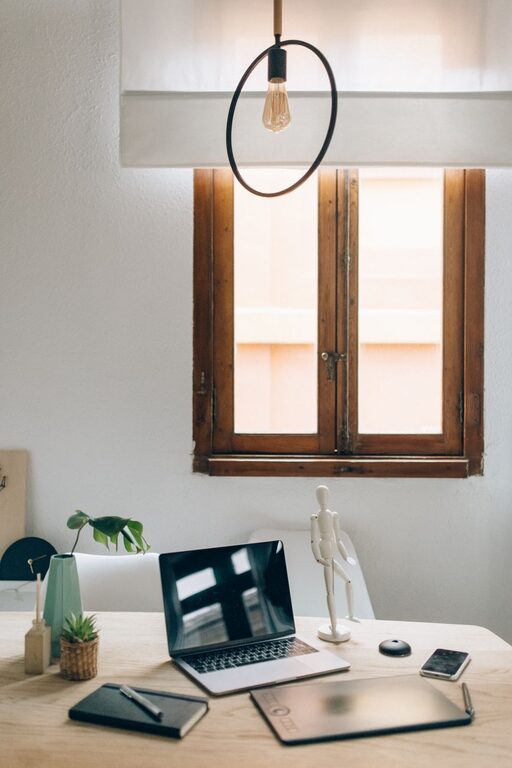
Position your desk near a window if possible. Natural light helps reduce eye strain and improves mood. If direct sunlight causes glare on your screen, consider using light curtains or blinds to diffuse the light.
Minimize Distractions
Select a quiet area away from high-traffic parts of your home. This helps you maintain concentration and creates a boundary between work and home life. If space is limited, noise-cancelling headphones can be a helpful alternative.
Invest in Comfortable Furniture
Ergonomic Chair and Desk
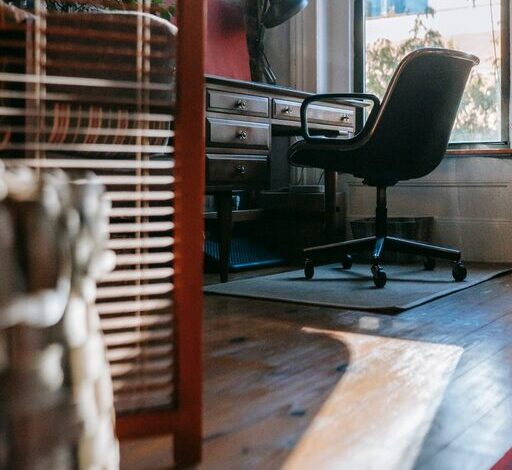
A supportive chair that encourages good posture is vital to avoid discomfort during long work hours. Look for adjustable chairs with lumbar support. Choose a desk at the right height, or consider a sit-stand desk to change positions throughout the day.
Personalize Your Space
Add cushions or a cozy throw to your chair, or place a small rug under your desk to make your workspace feel warm and inviting without sacrificing professionalism.
Organize for Efficiency
Use Storage Solutions
Keep your desk clutter-free by using shelves, drawers, or filing cabinets. Desk organizers or drawer dividers can help keep small items like pens and paper clips neat and easily accessible.
Cable Management
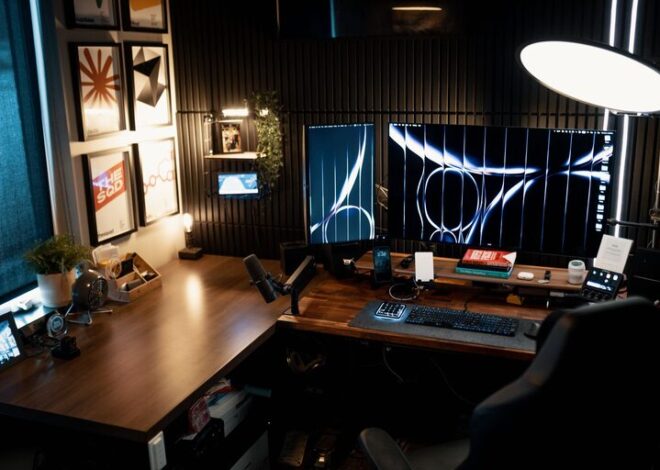
Tidy up cords with clips, sleeves, or cable boxes. A clear workspace helps you focus and creates a visually appealing environment.
Enhance Lighting
Layered Lighting
In addition to natural light, use a combination of overhead lighting and task lighting. A desk lamp with adjustable brightness allows you to focus light where it’s needed most.
Warm Light Bulbs
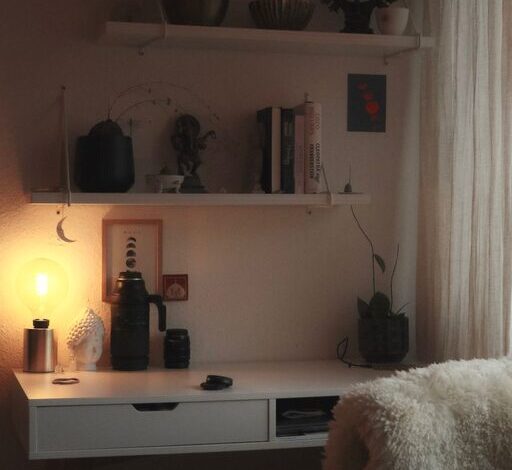
Choose bulbs that emit warm, soft light rather than harsh, cool tones. Warm lighting creates a calmer, cozier atmosphere which can help reduce eye strain.
Add Elements of Comfort and Personality
Incorporate Plants
Indoor plants purify the air and add a touch of nature to your workspace. They can also reduce stress and improve overall wellbeing.
Personal Decor
Display photos, artwork, or inspirational quotes that motivate you. Just be careful not to overcrowd your space with too many items, which can cause distraction.
Use Technology Wisely
Reliable Equipment
Invest in a good computer, fast internet connection, and other necessary tech like printers or webcams. Reliable tools reduce frustration and make working smoother.
Manage Notifications
Set boundaries with notifications and alerts. Use “Do Not Disturb” modes or apps that help manage time and focus.
Consider Sound and Acoustics
Soft Furnishings
Adding curtains, rugs, or upholstered chairs can absorb sound and reduce echo, creating a quieter environment.
Background Noise
If silence is distracting, try playing low-volume ambient sounds, white noise, or gentle music to help concentration.
Maintain Healthy Habits
Take Breaks
Schedule short breaks to stretch, move around, and rest your eyes. This improves circulation and avoids fatigue.
Stay Hydrated and Nourished
Keep water and healthy snacks nearby to stay energized.
Final Thoughts
Designing a cozy and productive home office is about balancing comfort with functionality. By choosing the right location, investing in ergonomic furniture, keeping organized, and personalizing your space, you can create an environment that supports both your wellbeing and work performance. Small improvements in lighting, sound, and atmosphere can have a big impact on how you feel and how efficient you are during your workday.
Remember, your home office should be a place you look forward to spending time in — comfortable enough to relax but structured enough to keep you focused. Start with these tips and adjust your space as needed to find the perfect fit for your working style.